ADR container transport in brief: what does it mean for your cargo?
ADR is the European agreement governing the carriage of dangerous goods by road. What falls under it, and what does it demand of driver, equipment and paperwork?
ADR is the European agreement governing the international carriage of dangerous goods by road. It sets requirements for packaging, labelling, documentation, the vehicle and the driver, so that hazardous cargo travels safely by road. In this article we set out the basics.
What is ADR?
ADR is the abbreviation of the French Accord européen relatif au transport international des marchandises Dangereuses par Route. The rules apply across virtually the whole of Europe and ensure that dangerous goods are carried in a uniform, safe manner, whether that is within the Netherlands or across the border under CMR terms.
When does cargo fall under ADR?
Dangerous goods are divided into nine classes, each with its own risk:
- Explosive substances
- Gases
- Flammable liquids
- Flammable solids
- Oxidising substances and organic peroxides
- Toxic and infectious substances
- Radioactive material
- Corrosive substances
- Miscellaneous dangerous substances and articles
Whether a specific consignment falls under ADR follows from the substance data, the UN number and the safety data sheet. The shipper supplies this information; how the cargo must be carried is determined on that basis.
What does ADR mean for the journey?
ADR haulage calls for three things that have to line up:
- A certified driver. The driver is qualified and holds the required ADR certificate.
- Suitable equipment. The vehicle is set up for carrying dangerous goods safely.
- The correct documentation and labelling. Transport documents, hazard labels and, where required, vehicle marking must all be in order.
ADR and sea containers
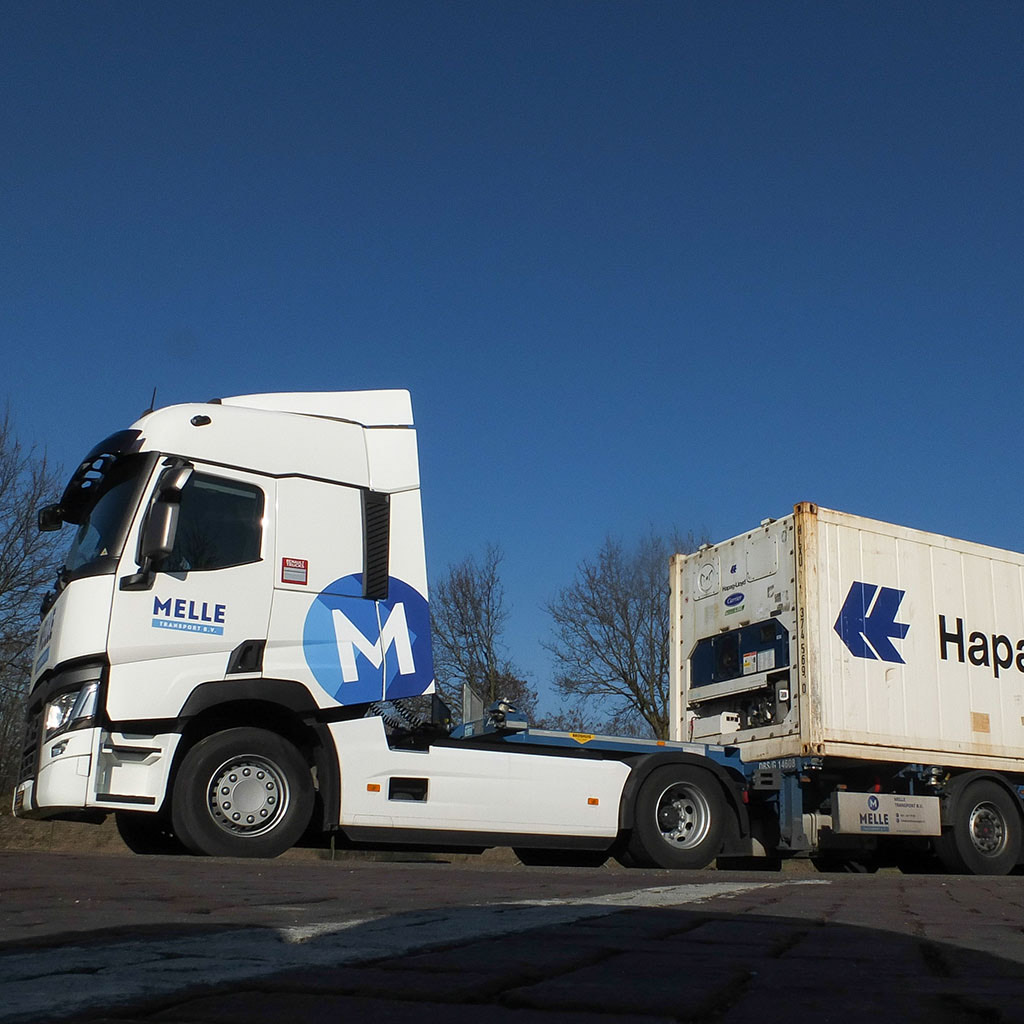
Cargo inside sea containers can fall under ADR as well. In that case the same requirements apply to driver, equipment and paperwork as for any other ADR consignment. The advantage of a carrier that handles both containers and ADR is that the entire journey, from terminal to final destination, stays with one party.
How Melle Transport handles it
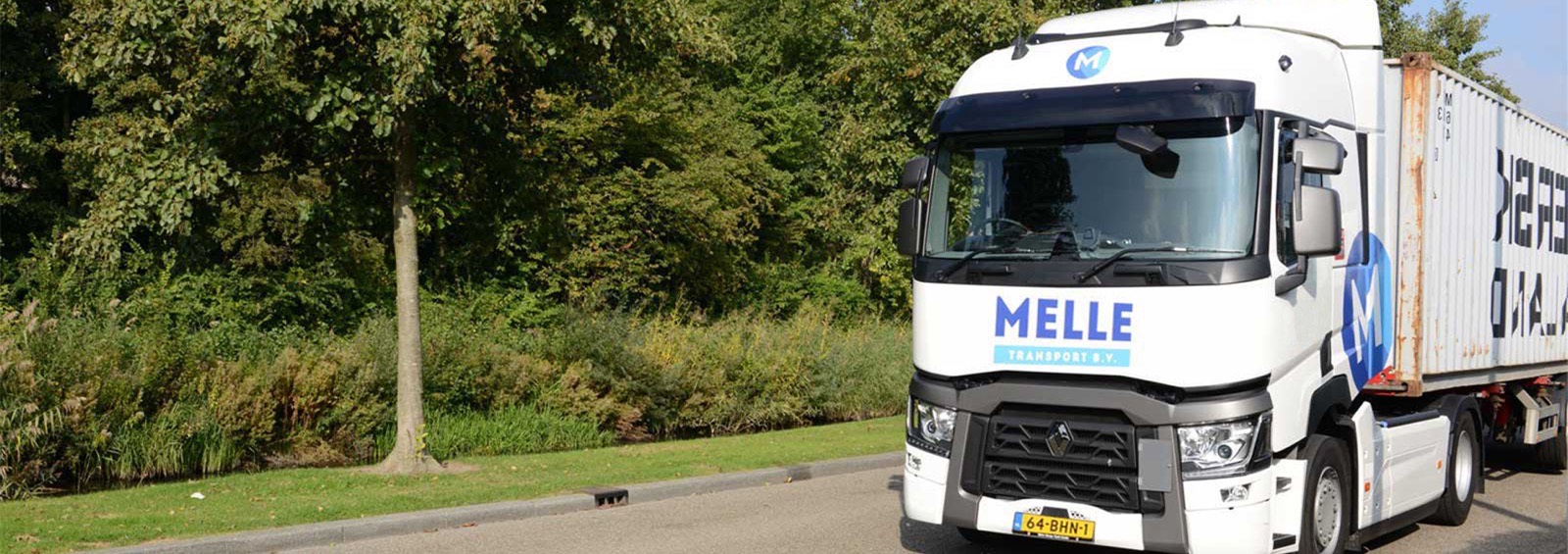
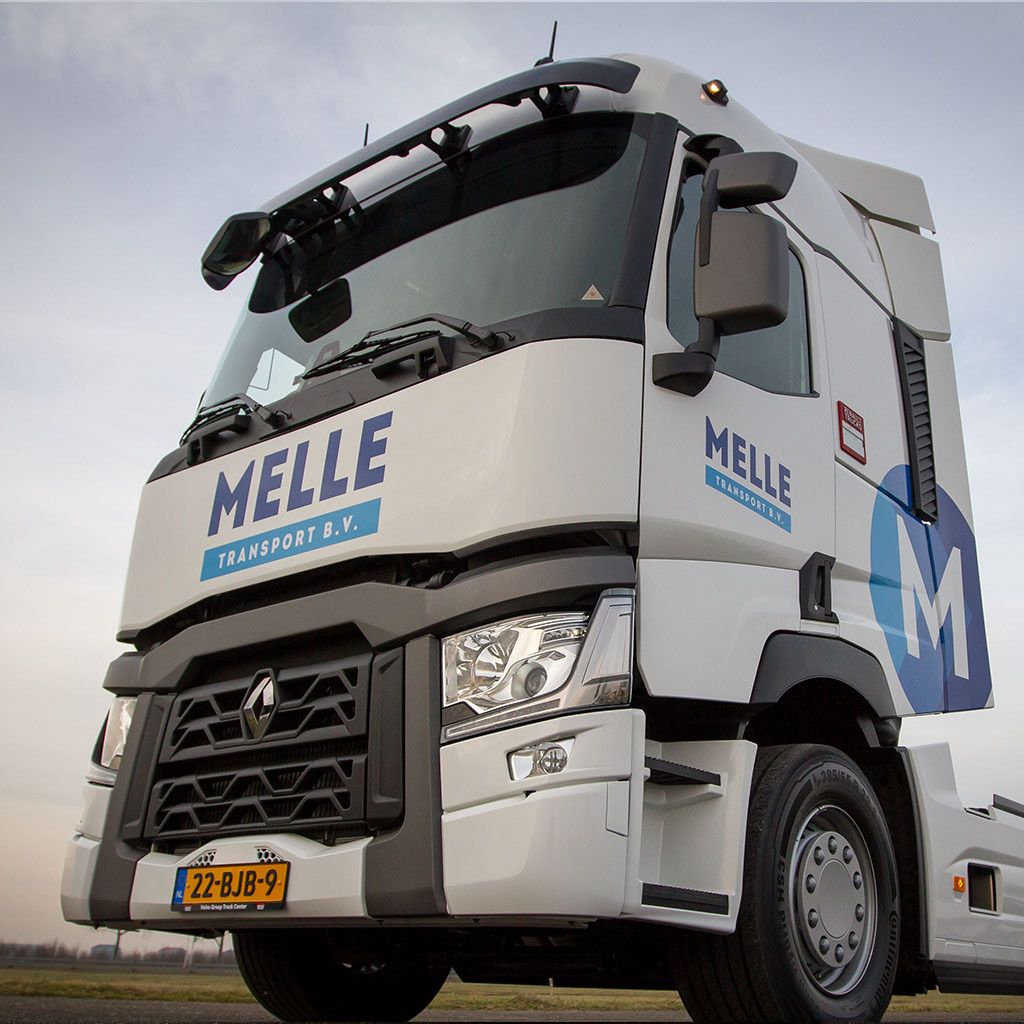
We carry dangerous goods in sea containers with ADR-certified drivers and equipment set up for the job, using the same Euro 6 fleet of our own and the same direct Portbase connection as for all our other container haulage. Take a look at our ADR transport service or request a quote.
Frequently asked questions
What does ADR stand for?
ADR stands for the French Accord européen relatif au transport international des marchandises Dangereuses par Route: the European agreement governing the international carriage of dangerous goods by road.
Which cargo falls under ADR?
Dangerous goods classified into nine classes, including flammable liquids, gases, oxidising and corrosive substances. Whether something falls under ADR follows from the substance data and the UN number.
What does ADR haulage require of the carrier?
A qualified, ADR-certified driver, equipment set up for carrying dangerous goods safely, and the correct documentation and labelling.